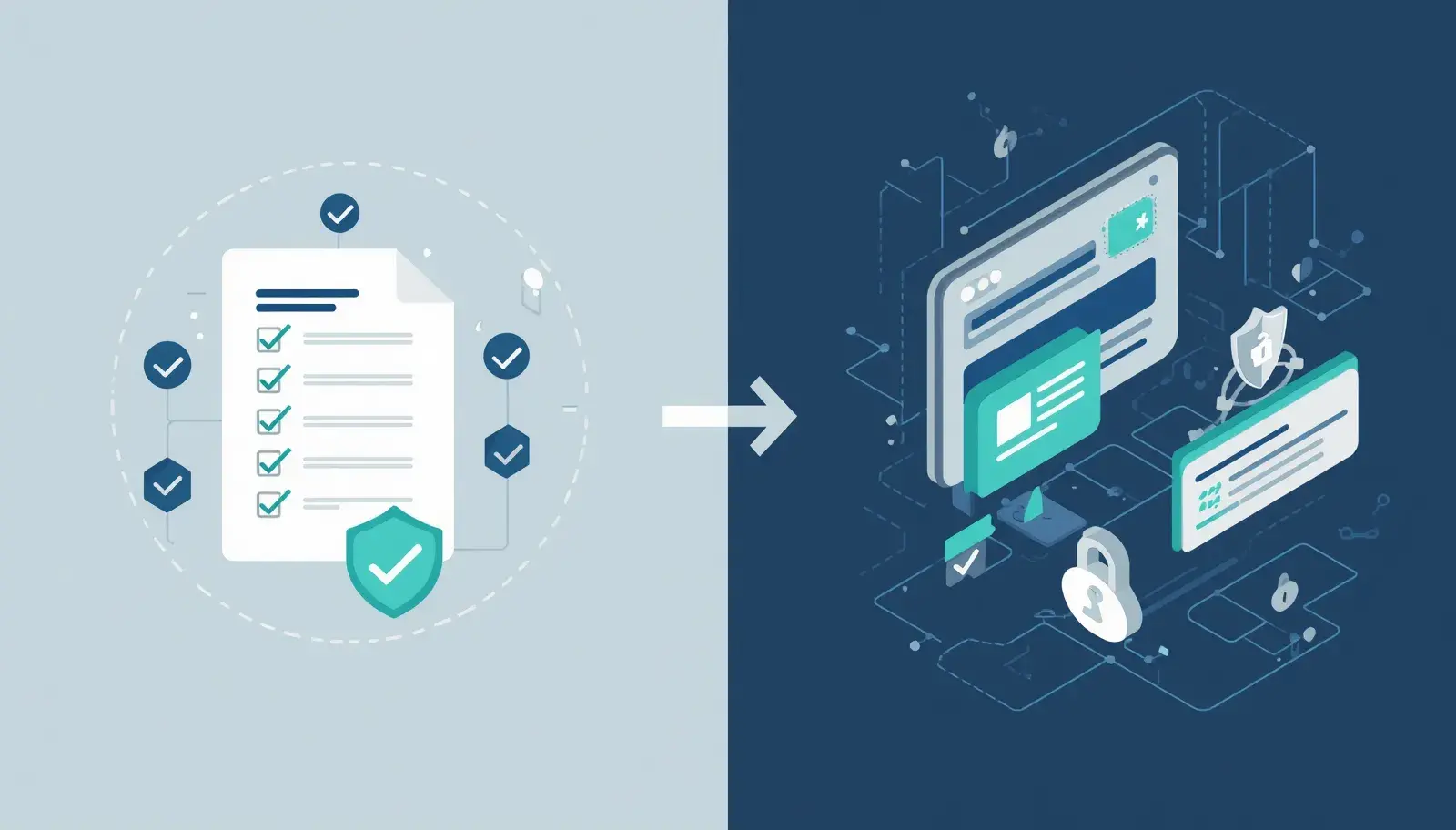
For years, Know Your Customer (KYC) processes have formed the backbone of financial compliance. Verifying identity documents, confirming physical addresses, and screening against PEP, sanctions lists along with a limited google search were once considered sufficient to meet regulatory expectations. However, today, relying on these basic checks is no longer enough.
As financial crime grows more complex and regulators continue to raise the bar, Enhanced KYC has emerged as the new industry standard. It reflects a shift from one-time checks towards continuous and risk-based customer profiling.
What is Enhanced KYC?
Enhanced KYC is a system that goes beyond identity verification to build a dynamic and holistic view of the customer. Instead of only asking “Who is the customer?” it also asks:
- What is the customer’s behavior?
- How do their risk profile changes over time?
- Are their activities consistent with what we know about them?
Enhanced KYC transforms compliance from an obligation to a continuous and strategic process.
Why is Traditional KYC Not Enough Today?
Traditional processes of KYC were designed for a simpler financial ecosystem. It focused on narrow scopes like verifying identity documents, confirming customer address, and screening against sanctions.
While they were effective at the time, this model has critical limitations today. It assumes that customer risk remains static, even though real-world behavior changes constantly. Criminals exploit this gap by appearing compliant at the time of onboarding, then engaging in suspicious activities later.
In a landscape shaped by digital banking, cross-border payments, and fintech platforms, static KYC tends to create a blind spot that exposes organizations to regulatory breaches, fraud and reputation harm.
KYC in India
In India, KYC has evolved rapidly with increasing digitization and regulatory focus. Authorities such as the Securities Exchange Board of India (SEBI) and the Reserve Bank of India (RBI) have strengthened compliance requirements to address rising financial crime risks. A major advancement has been the launch of Aadhar-based eKYC, along with the use of Permanent Account Number (PAN) for transaction traceability. Centralized systems like Central Registry of Securitization Asset Reconstruction and Security Interest (CERSAI) have further streamlined data sharing across institutions.
For high-risk clients, such as Politically Exposed Persons (PEPs) or those with complex ownership structures, institutions are required to apply due diligence. This includes deeper background checks, sources of funds, and closer ongoing monitoring of transactions. The rise in digital payments has also increased exposure to fraud and misuse so an enhanced KYC risk-based approach ensures customer behavior remains consistent with their risk profile.
Discover how Fios Compliance conducted Open Data Intelligence checks on a senior insolvency professional in India.
Automated KYC Systems
With the growth of systemized fraud, automated KYC systems use technology to streamline and improve customer verification, reducing manual effort while increasing accuracy and speed. Instead of relying completely on paper-based checks, these systems use AI, machine learning, and real-time data sources to verify identities and access risk instantly during onboarding and beyond. Automated KYC systems enable institutions to continuously monitor customer behavior, transaction patterns, and changes in risk indicators.
For example, a sudden spike in cross-border transactions, or changes in beneficial ownership can be detected early and flagged for review. This proactive approach helps institutions identify red flags before they escalate into regulatory violations or financial losses.
Read our article to understand how RegTech has led the adoption of automated KYC systems, making risk detection more efficient and reducing exposure to fraud.
| Benefits | Challenges |
|---|---|
| Identifies suspicious behavior early through continuous monitoring. | Requires investment in technology, data sources, and skilled resources. |
| Meets evolving expectations of regulators for ongoing due diligence. | Combining multiple systems and external databases can be difficult. |
| Updates customer risk profiles in real time as behavior changes. | Requires staff training and operational process changes. |
| Automates routine checks, reducing manual workload for compliance teams. | Different jurisdictions impose different compliance requirements. |
| Minimizes risk of regulatory penalties, operation halt, and reputation damage. | Poor or outdated data can weaken risk assessments. |
The Road Ahead
Enhanced KYC represents a fundamental shift in how organizations understand and manage customer risk. It moves compliance away from static documentation and toward real-time intelligence. In a time when fraudsters have evolved, companies must also collaborate with third-party automated systems to monitor customer behavior and reduce the risk of regulatory scrutiny.
For financial institutions operating in India and globally, the future of compliance lies in adopting a risk based. Technology-enabled approach that evolves alongside the customer. Enhanced KYC is not just meeting requirements; it is about building long term trust, resilience, and sustainability.
Looking to enhance your KYC and compliance strategy? Get in touch with our team at connect@fioscompliance.com.